
HealthThings™
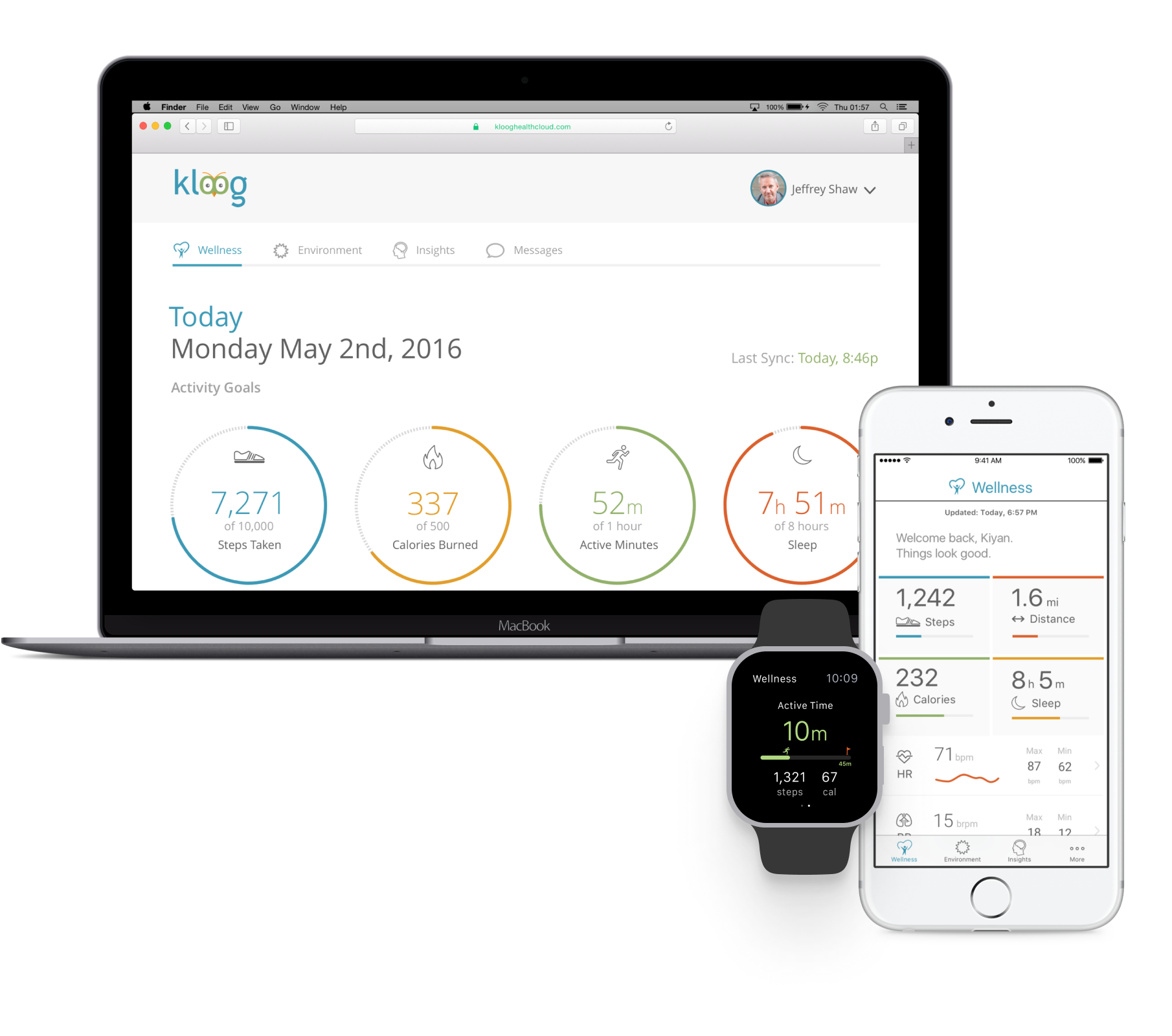
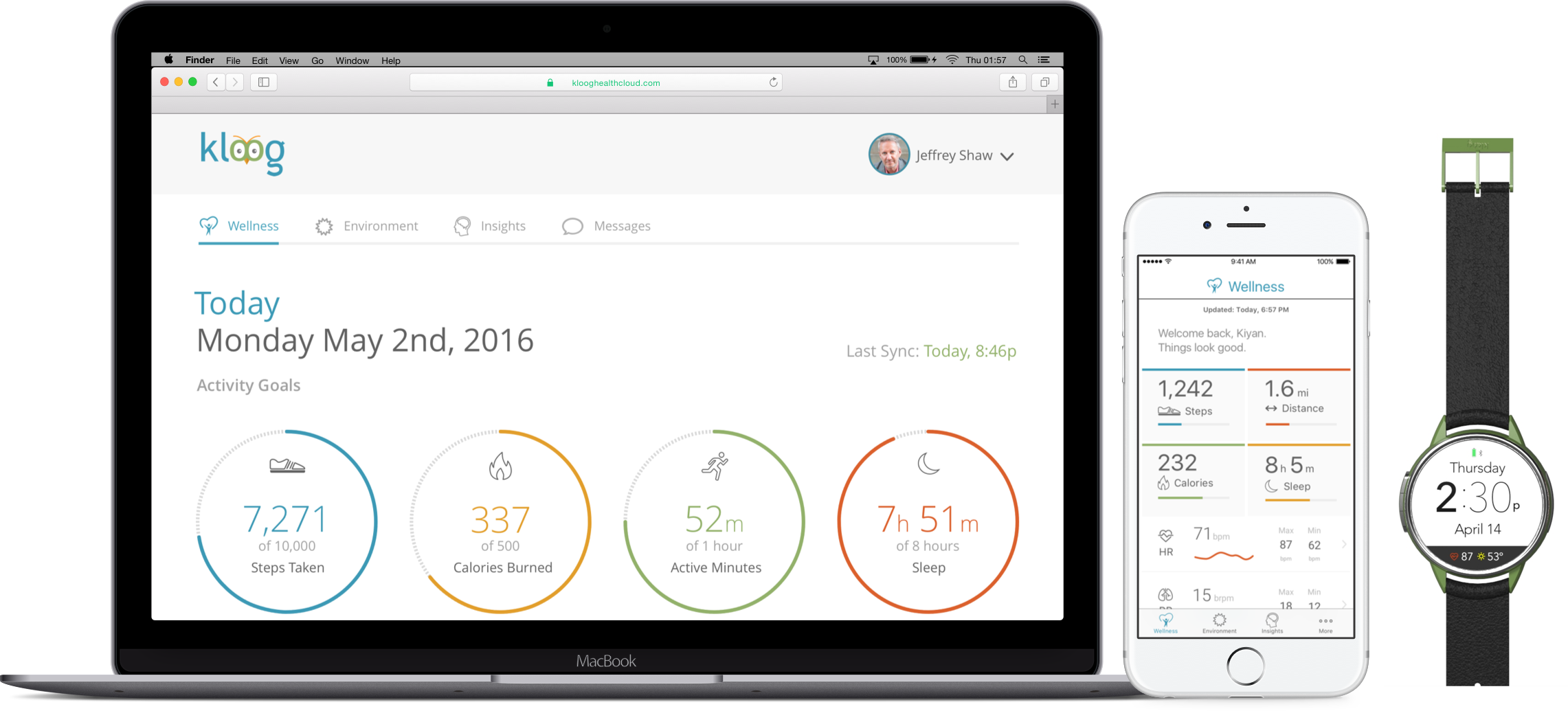
Designing a cross-media system for the healthcare industry to help patients understand and track their health and allowing doctors to remotely monitor their patients and diagnose them better.
Context and Challenge
Today’s healthcare arena is at a crisis of cost and quality. Patients feel isolated by and distrustful of the system while providers are spread too thin and feel disconnected from their patients. Using data generated through a wearable device, users would be able to adopt a preventative care practice by tracking their complete health, wellness, and environment.
Most health wearables track your steps, calories, water intake, etc. and don't provide any context, just an abundant amount of data. The challenge for us was to find a way to make this data meaningful and actionable to the user.
I worked on this project as the sole UX Designer, in collaboration with a tight knit team of talented individuals. Our team agreed to choose a lean UX strategy due to the limited resources and time constraints for this project, constantly collaborating, iterating, and testing along the way.
Team
User Experience Designer / Software Engineer / Algorithms Architect / Firmware Engineer / Industrial Designer
Research • Ideation • Interaction • Visual design • Prototyping & Testing
Client
Multiple healthcare companies
Plaforms
iOS / Android / Web / Apple Watch OS
Research & Strategy
I began by understanding healthcare in a variety of contexts with respect to senior citizens. In order to break out of traditional paradigms of care, we examined unique needs in relation to multiple stakeholders within the experience of care. These would include the extended community beyond the users including family, friends, and caregivers. I conducted interviews with these stakeholders to understand the challenges and opportunities within the current system of care and what they would prefer for the future. Our target audience were the elderly and retired.
To reflect patterns observed in our research, I created personas to communicate our research insights and user goals. This helped me to stay grounded on which features to prioritize on and allowed me to not spend time developing features that would never get used.
Research Insights
Consumers have not embraced health related technologies in large numbers, but they are interested. From our conversations and interviews with users, I extracted three key insights to drive the formation of design principles.
In terms of patient data, privacy and security is a concern. Although patients want to include their families within the process of healthcare, they are sensitive to sharing personal information and health data.
Health is a sum of multiple factors, including habit, lifestyle, and the environment.
In terms of desiring an inclusive health experience, people indicated the desire to reliably contact and communicate with their provider.
Understanding Our Users Better
A major point from interviews was the topic of the experience of doctors visits. For our demographic, the scenarios were visits based on pre-existing conditions, new conditions, and general wellness. I quantified these findings into a journey map - identifying key pain points, aha moments, and an emotional summary of the patient-doctor experience.
Most people we spoke to said they would feel more comfortable if health care professionals were looking at their personal health data on an everyday or weekly basis, rather than a yearly physical exam, ultimately shifting from an encounter-based health care to continuous care.
The result of this is that doctors will be more involved in a patient’s overall well-being when they're making informed decisions based on real data - relying less on the patients word of mouth.
Design Principles
Using the insights gained from our research, I wrote down principles that embodied what our product needed to feel like and accomplish for the users.
Empowering Individuals through Accessibility Simplifying and leveraging useful, easy to understand data is essential to making people feel like their have control over their own health.
Build Trust and Comfort through the Experience Relying on data can be a good way to ensure patient trust and security in interactions with their provider.
Humanize Care An improved communication channel between patient and doctor is vital to creating a more tailored and customized form of care. By creating transparency and visibility between patient needs and doctor constraints, technology can be used to establish more empathic healthcare interactions.
Structuring the Data
The choice of what data we collected and measured was based on the biometric and environmental sensors within our watch. Before starting any design, I needed to know what specifically these sensors would measure because I would be tasked with communicating the outputs to the user via a mobile app, watch, and web dashboard.
Different sensor types and what they measure
Wireframing
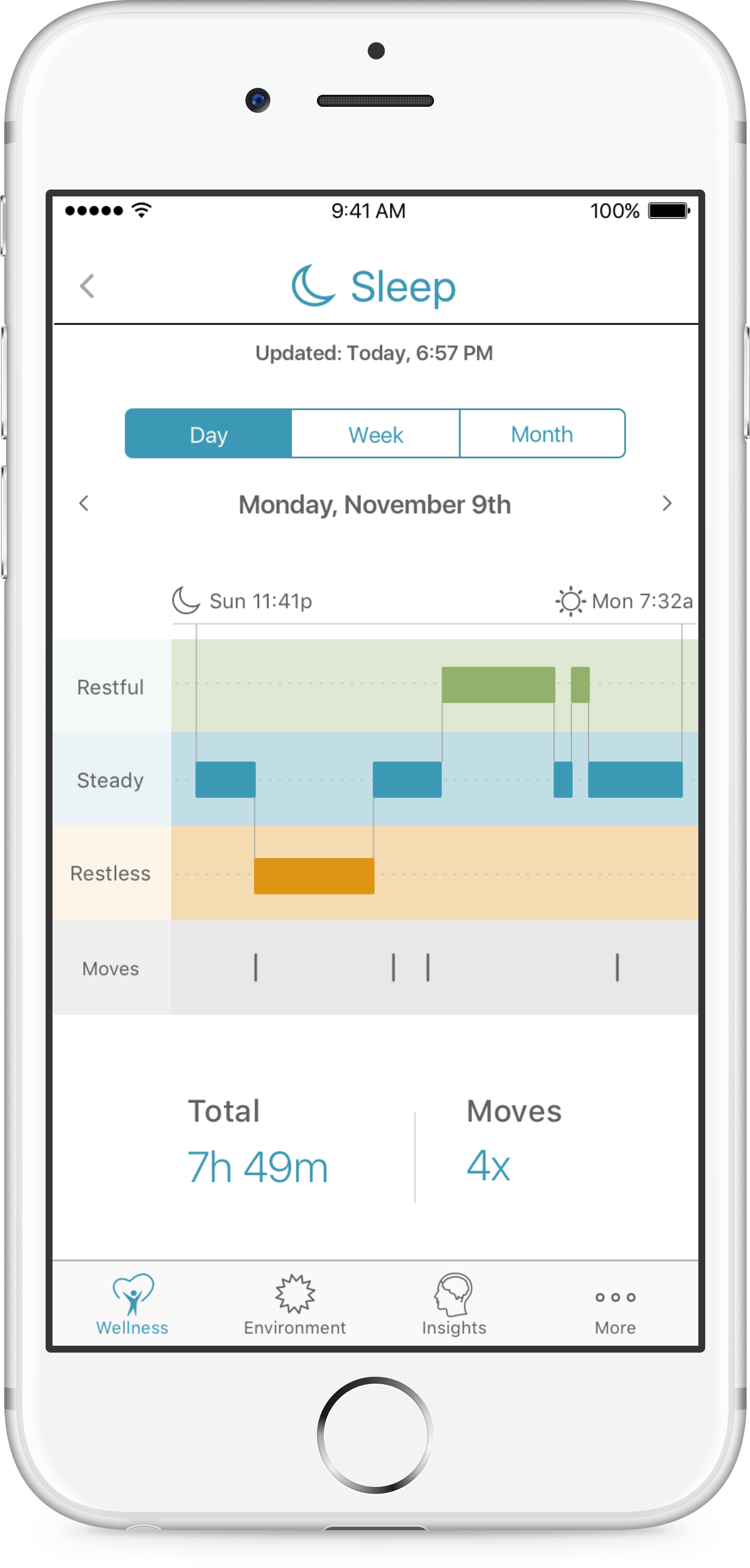
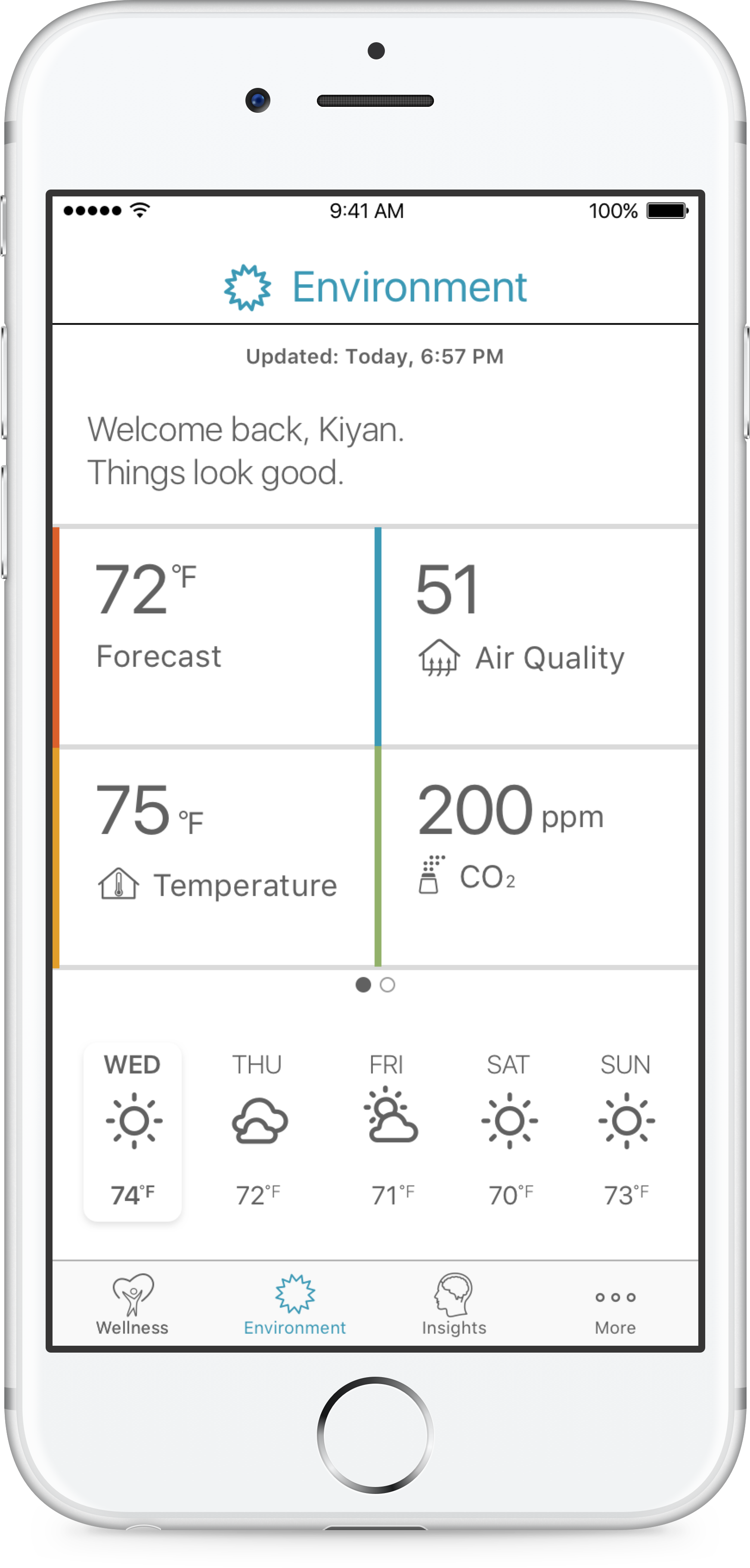
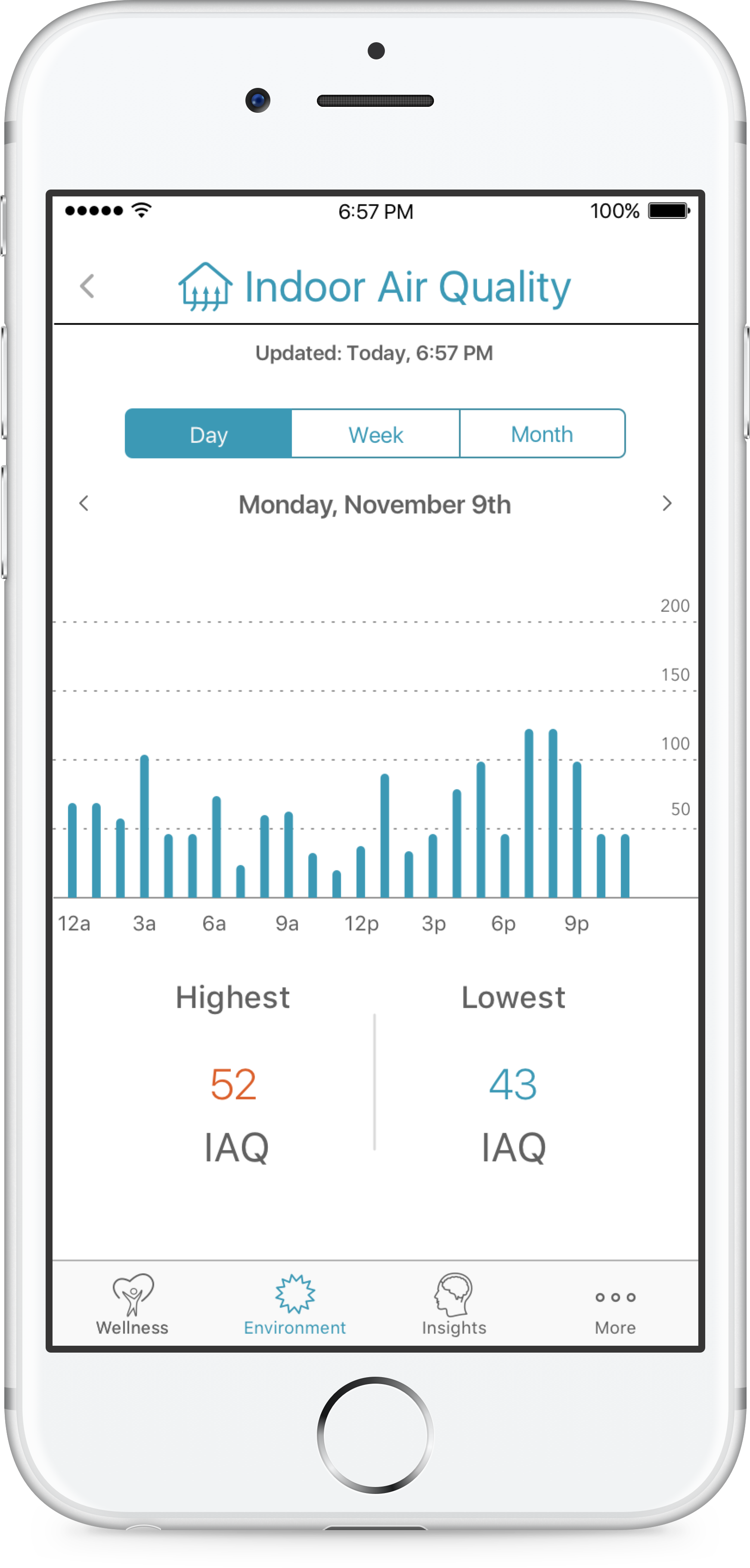
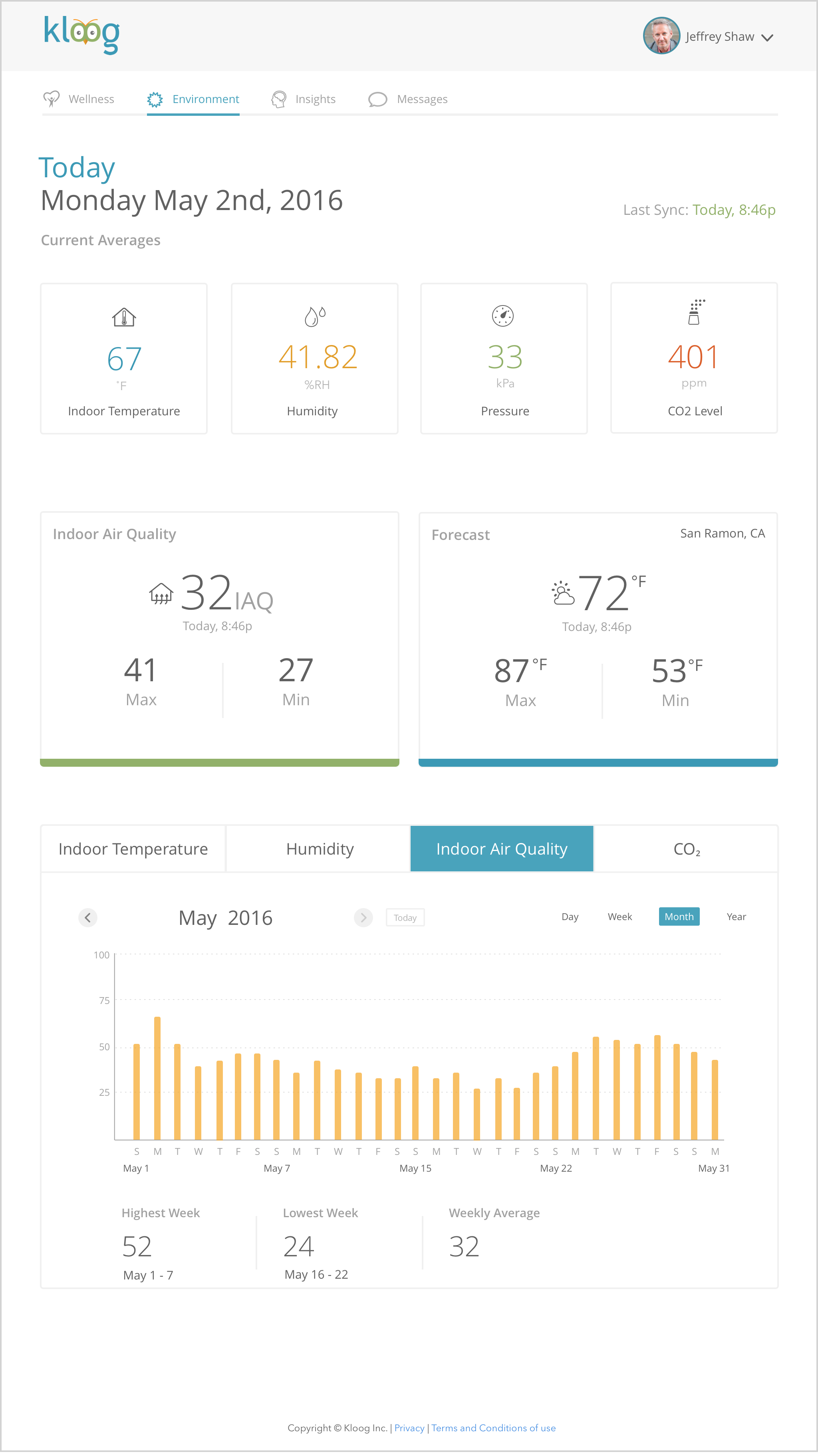
Designing for mobile first, I began creating rough sketches of the initial flow and transferred them to Sketch. I decided to divide the app into four sections: Wellness, Environment, and Insights. Wellness provides information on users' well-being while Environment exposes trends and changes in users' surroundings. To avoid blocking myself, I tried to work on creating a design system, not a single screen in the early stages of wireframing.
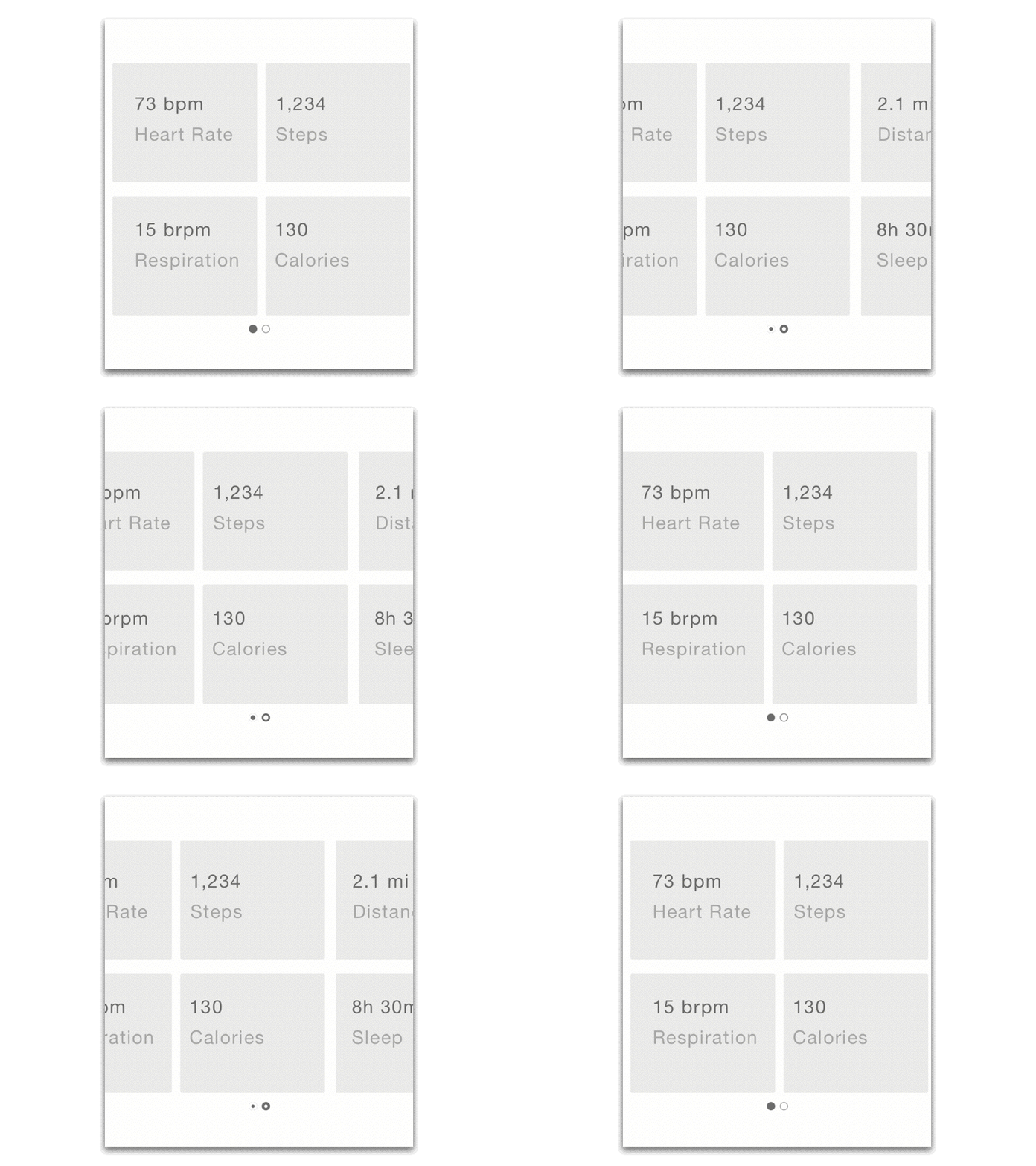
The Wellness and Environment pages are similar in their UI. The main content contains four boxes, swiping to the left reveals additional content if additional features were added in the future. This ensured we wouldn't have to make any major design changes.
Functions of the Watch
The watch is designed to give the user instantaneous data on their health and environment. It would also contain a conversational user interface, asking questions about their mood, wellness, activity, etc. The platform continuously learns about and analyzes the patient’s health, notifying the user of any abnormalities and asking questions based on current health data.
For example, let's say Bob sitting in his chair at home when suddenly his heart rate gets too high. The watch would send a notification asking if Bob was feeling OK. If he didn't respond or responded with "Not OK", a notification would be sent to a family member or medical professional.
I mapped out the flow of the watch screens and navigation patterns. The goal was to minimize watch interaction and make important information easy to access. I worked with our team's embedded software engineer to see how the display looked prior to finalizing the watch UI. After several rounds of iterations, the watch was coming to life as a working demo.
Working Alongside Developers
I had regular check-in meetings with our iOS developer early on to surface any technical constraint issues as well figuring out what final deliverables work best for their needs. I used Zeplin to upload my visual designs straight from Sketch and added them to a project folder - a huge time saver.
Detailed Design
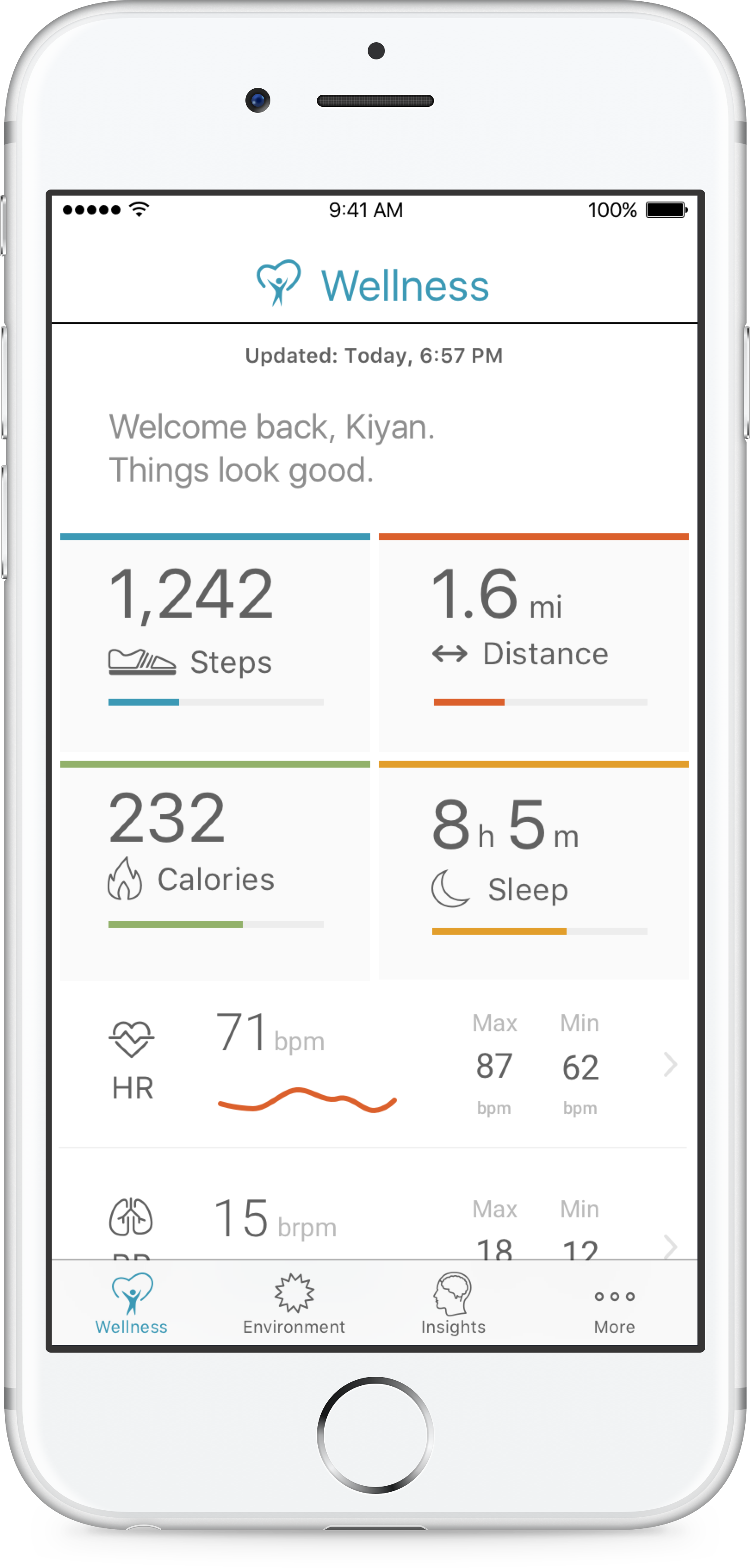
As a place of review and learning, the Health Things platform presents its findings and information in several easy to understand formats. This platform is geared for patients to primarily understand data metrics and quick insights.
Wellness & Environment - Mobile View
Insights - Mobile View
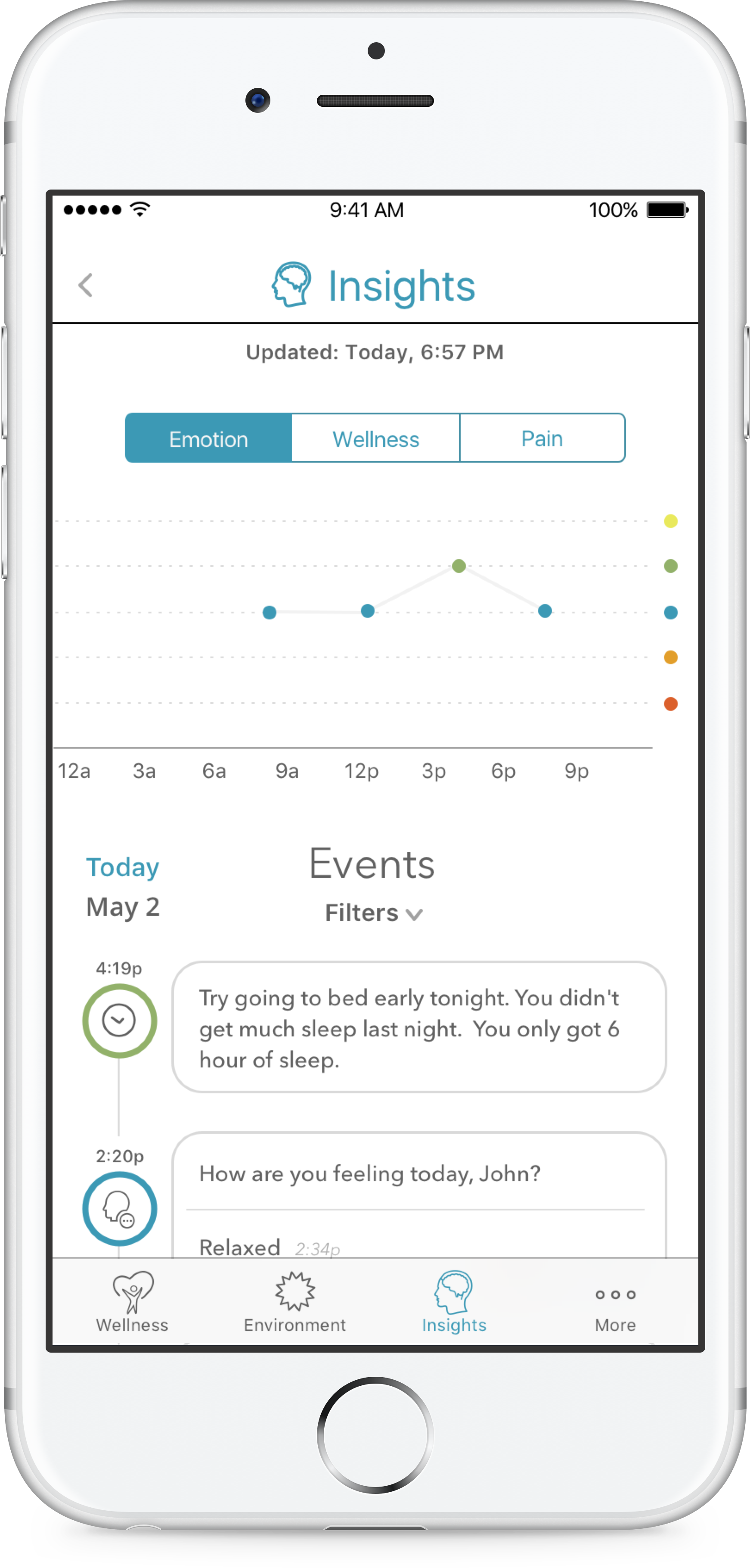
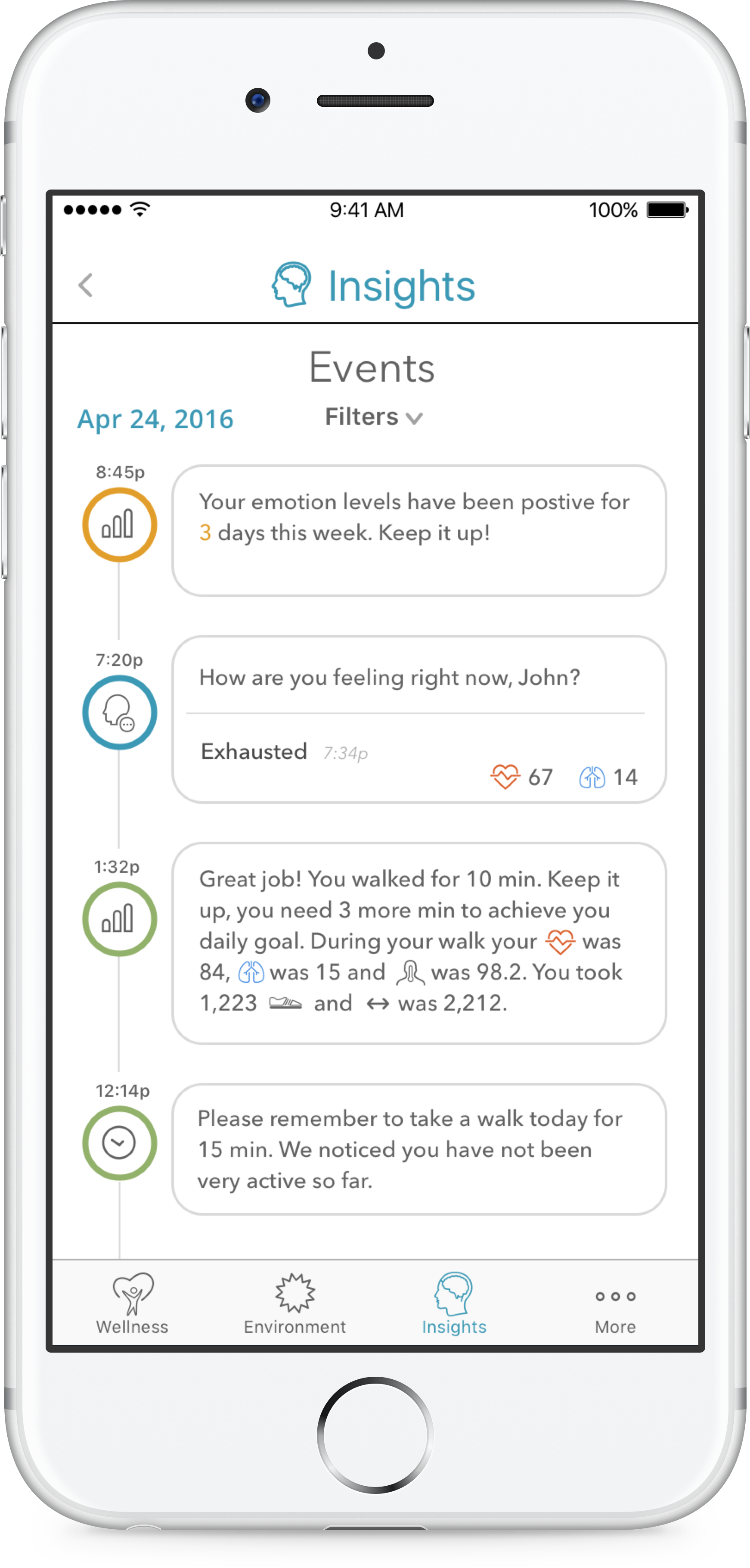
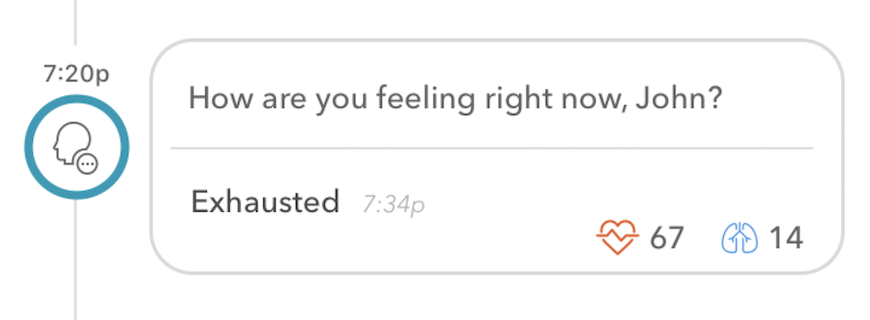
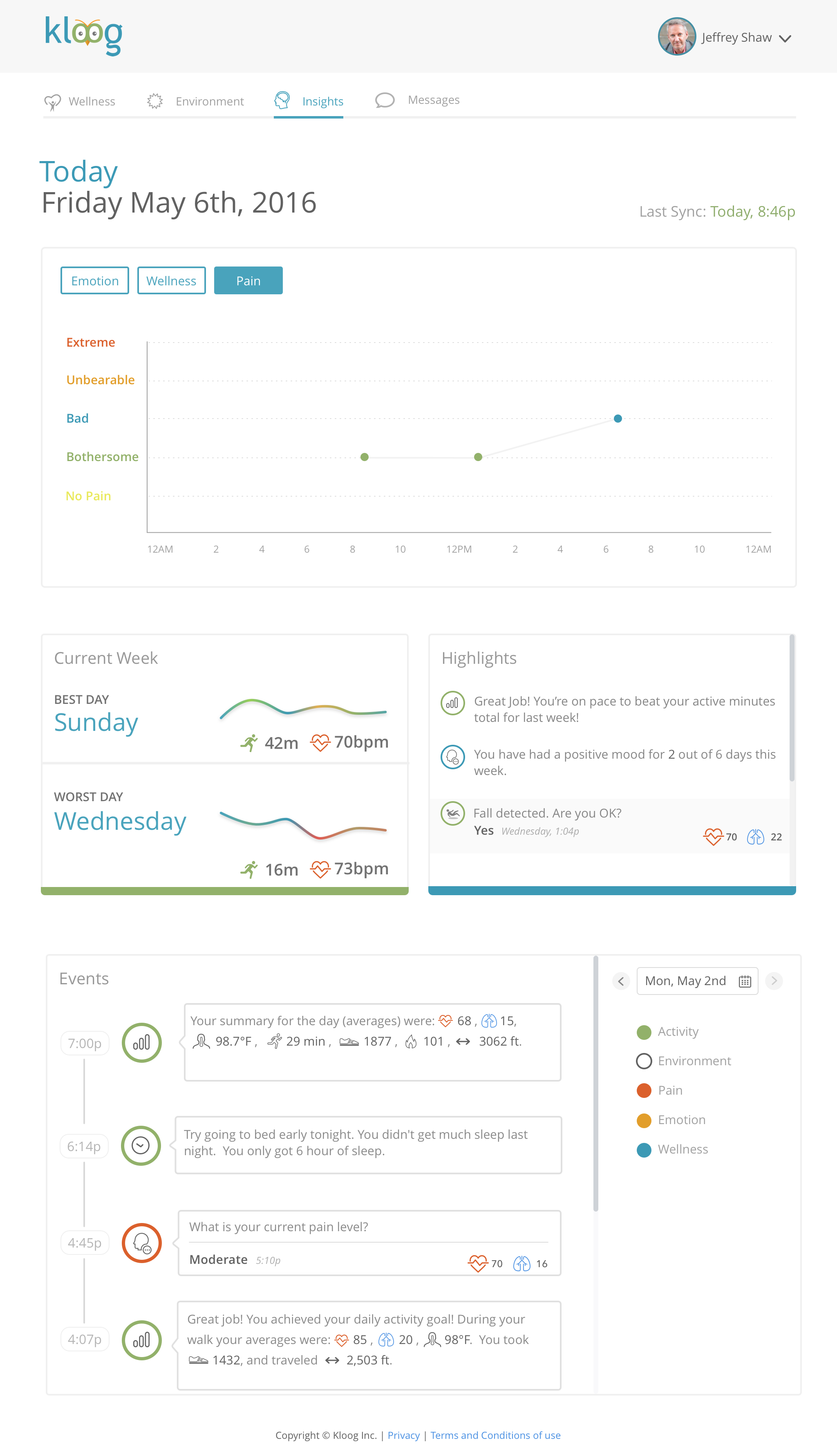
As a companion, Health Things provides actionable suggestions based on real, to the point data.
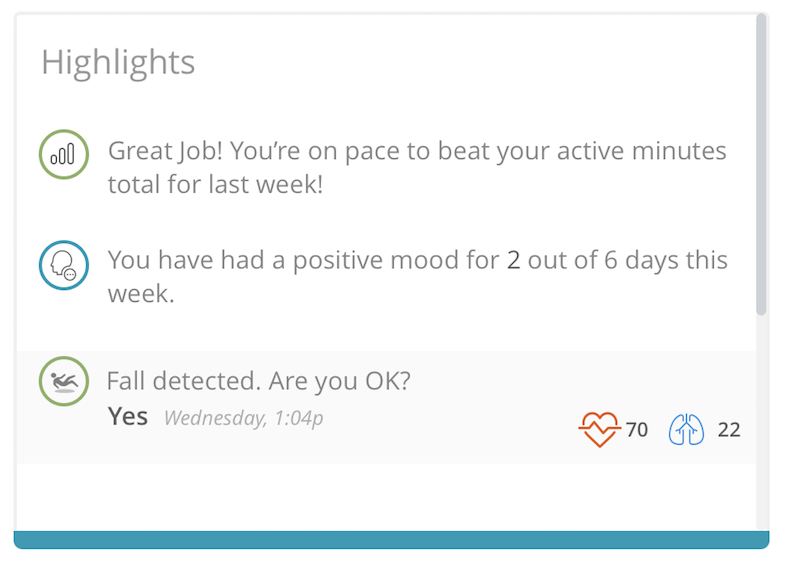
The highlights is a key area to bring up the most important points, including occurrences with responses.
Web View
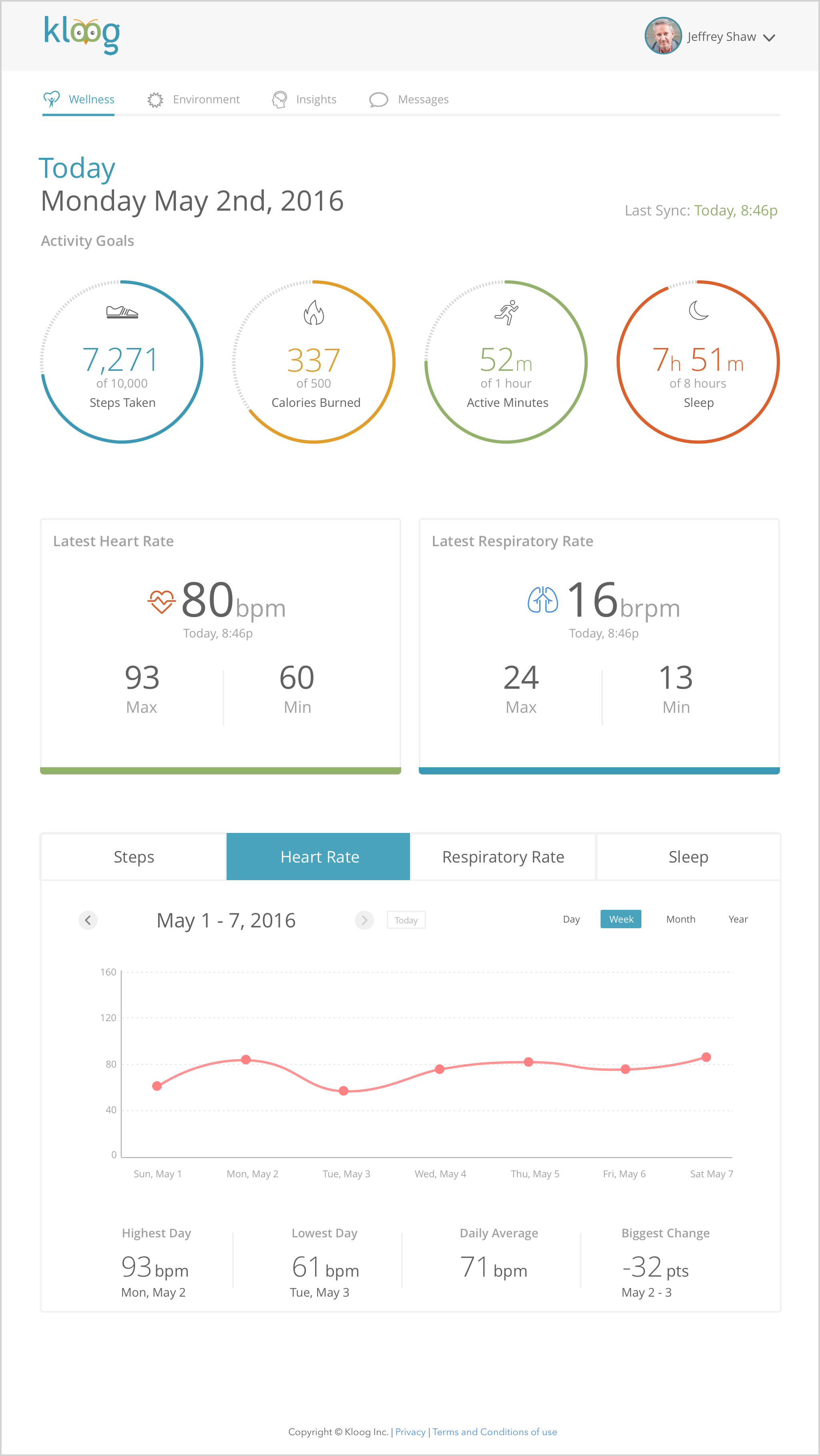
For the purpose of deep learning, the web dashboard is the users complete in depth view into their health history. Patients are able to traverse biometric and environmental info. Most importantly, they are able to read into actionable insights.
Reflections
Although we were never able to bring this product into reality, my time here was a great learning experience for me. I collaborated and learned from talented and motivated peers. Designing for connected products was new to me. I had to adapt and learn the technology before creating designs. I became familiar with the idea of interoperability - devices that work and talk with each other.
I learned to design for different interfaces while keeping a consistent experience. Working directly with hardware and software developers broadened my understanding of the “ behind the scenes” technology and also helped me understand the limitations of any designs I had.