
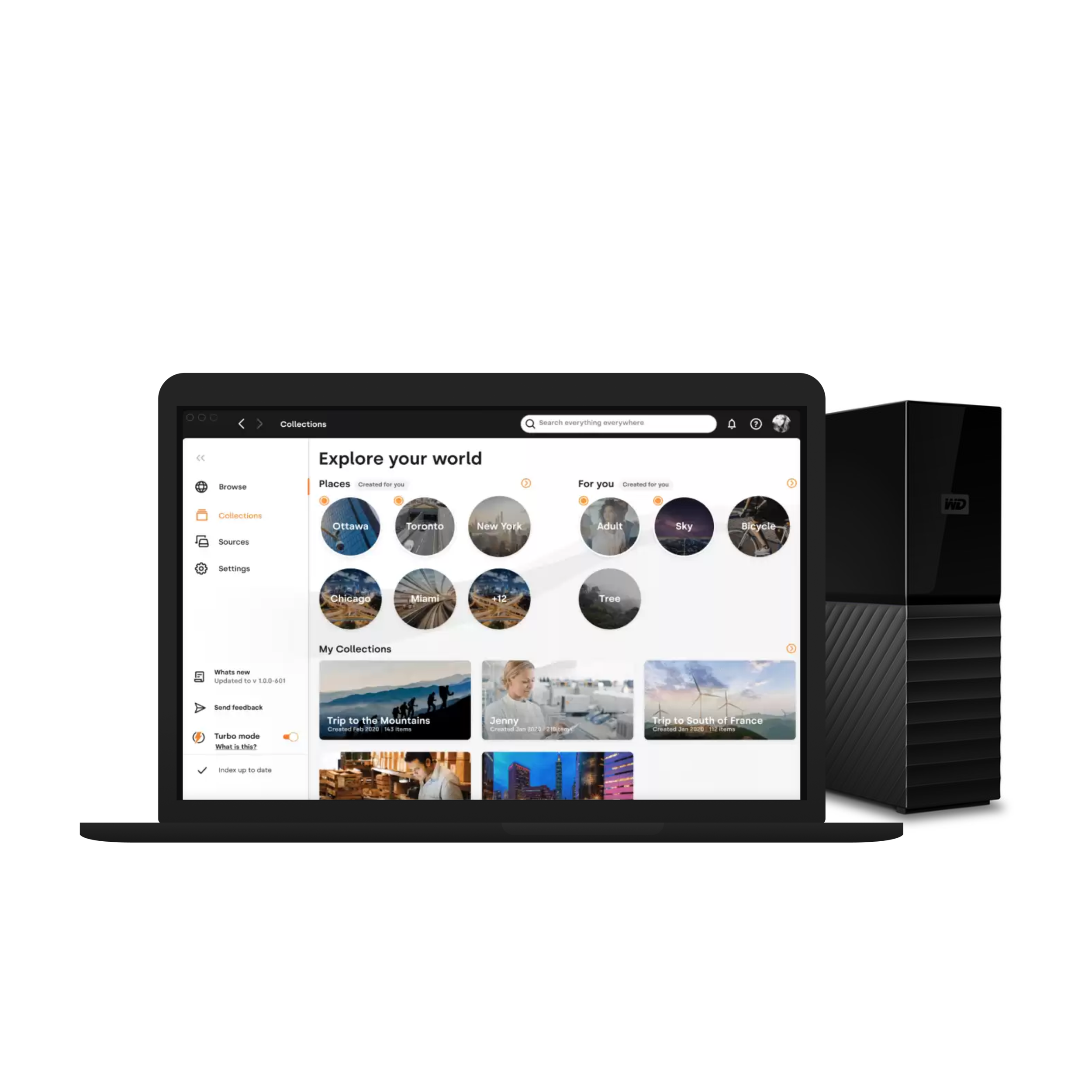

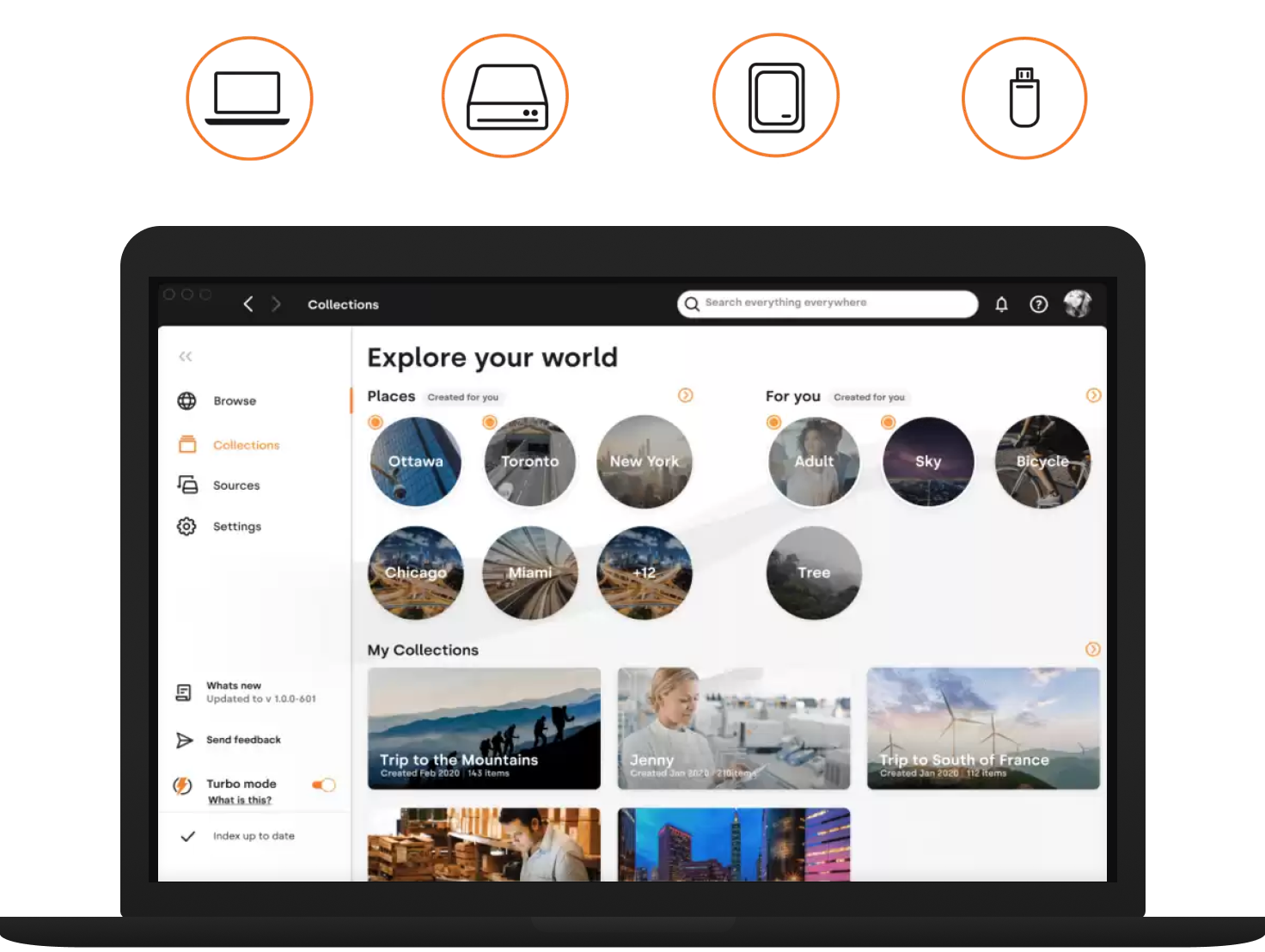
I joined Western Digital as a Product Designer on the Customer Solutions team. When I joined WD, the team was starting to work on a new personal digital content experience, now called EdgeRover. I was tasked with working on the new device onboarding as well as certain key features of the desktop app.
What does EdgeRover do?
EdgeRover lets you create an inventory of your digital files stored on your Macintosh or Windows computer and supported external drives, letting you seamlessly search, browse, and enjoy the content you’re looking for from all your storage devices in one view.
My Contribution
Designed and conducted qualitative interviews, and unmoderated sessions on Usertesting.com
Created the onboarding flow for the EdgeRover web and mobile apps, including wireframes, prototypes, and visual design
Created EdgeRover features, including automatic collections, mobile filtering UX/UI, and the large file cleanup widget
Cross-Team Collaboration
Developers in Milpitas/Ukraine for asset handoff and technical discussions
Design Manager and Design Director for weekly meetings and design reviews
Product Managers for feature discussions and design reviews
Marketing for copy, assets, and onboarding design decisions
Projects I Worked On
EdgeRover Onboarding
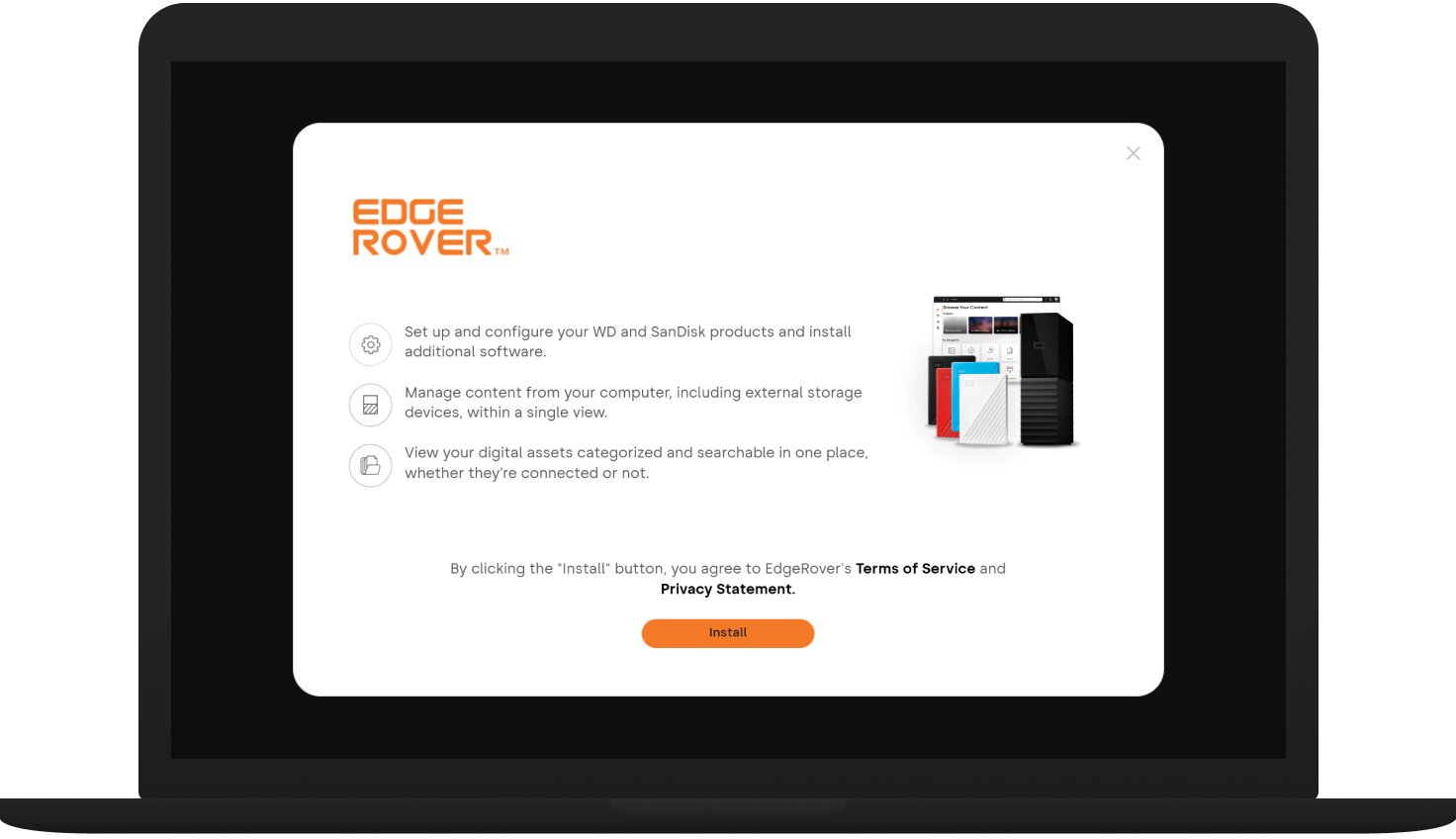
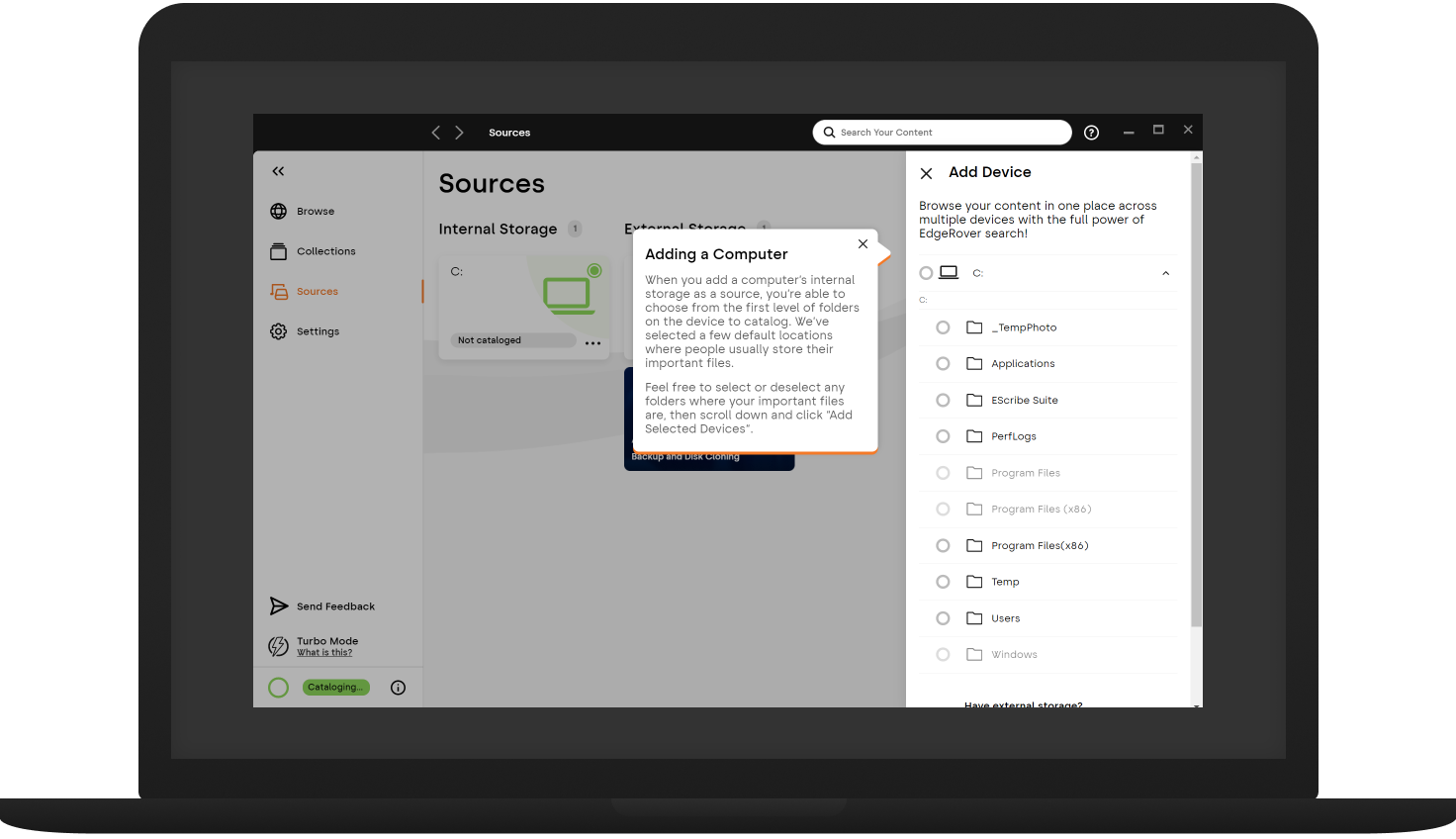
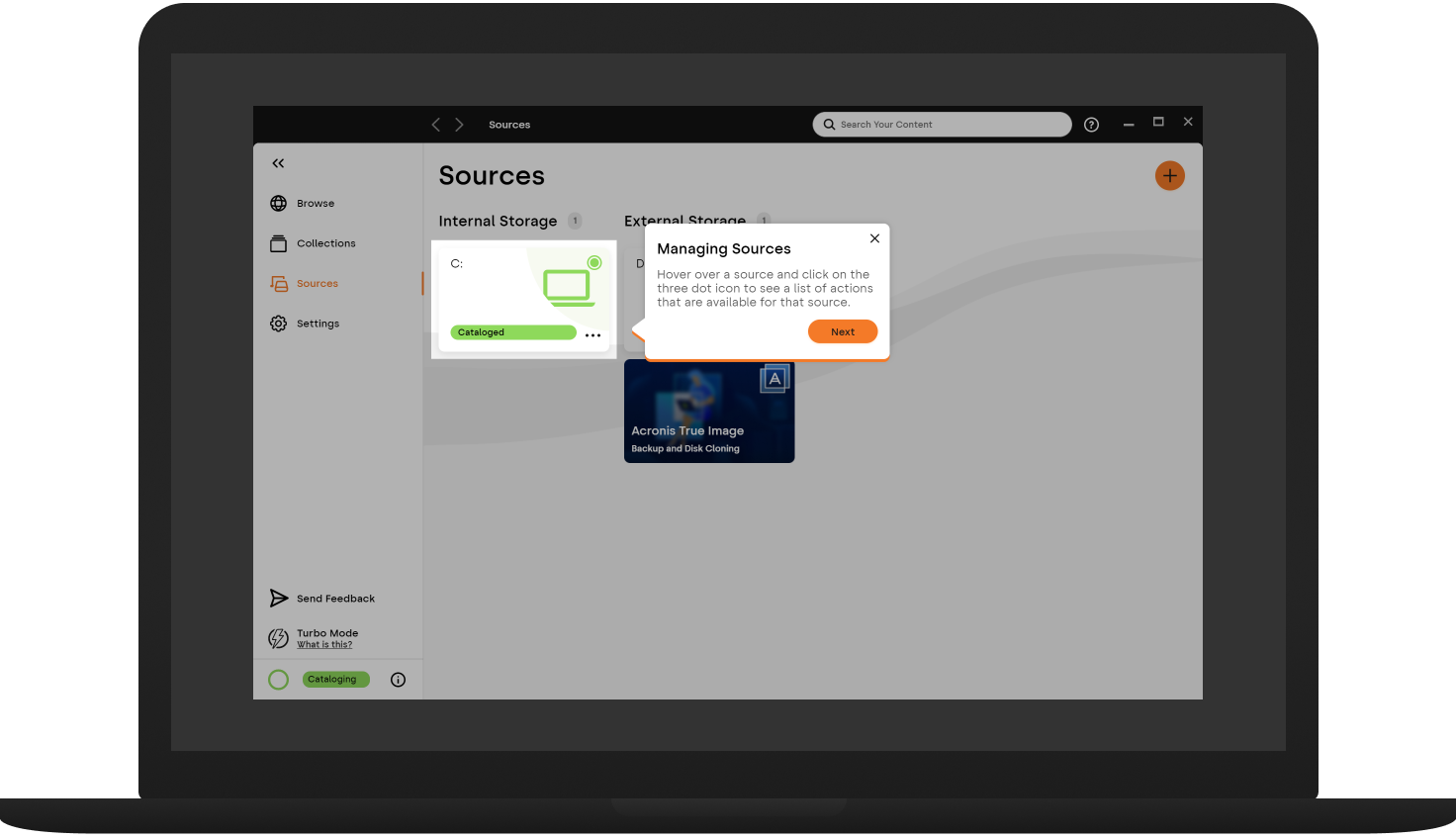
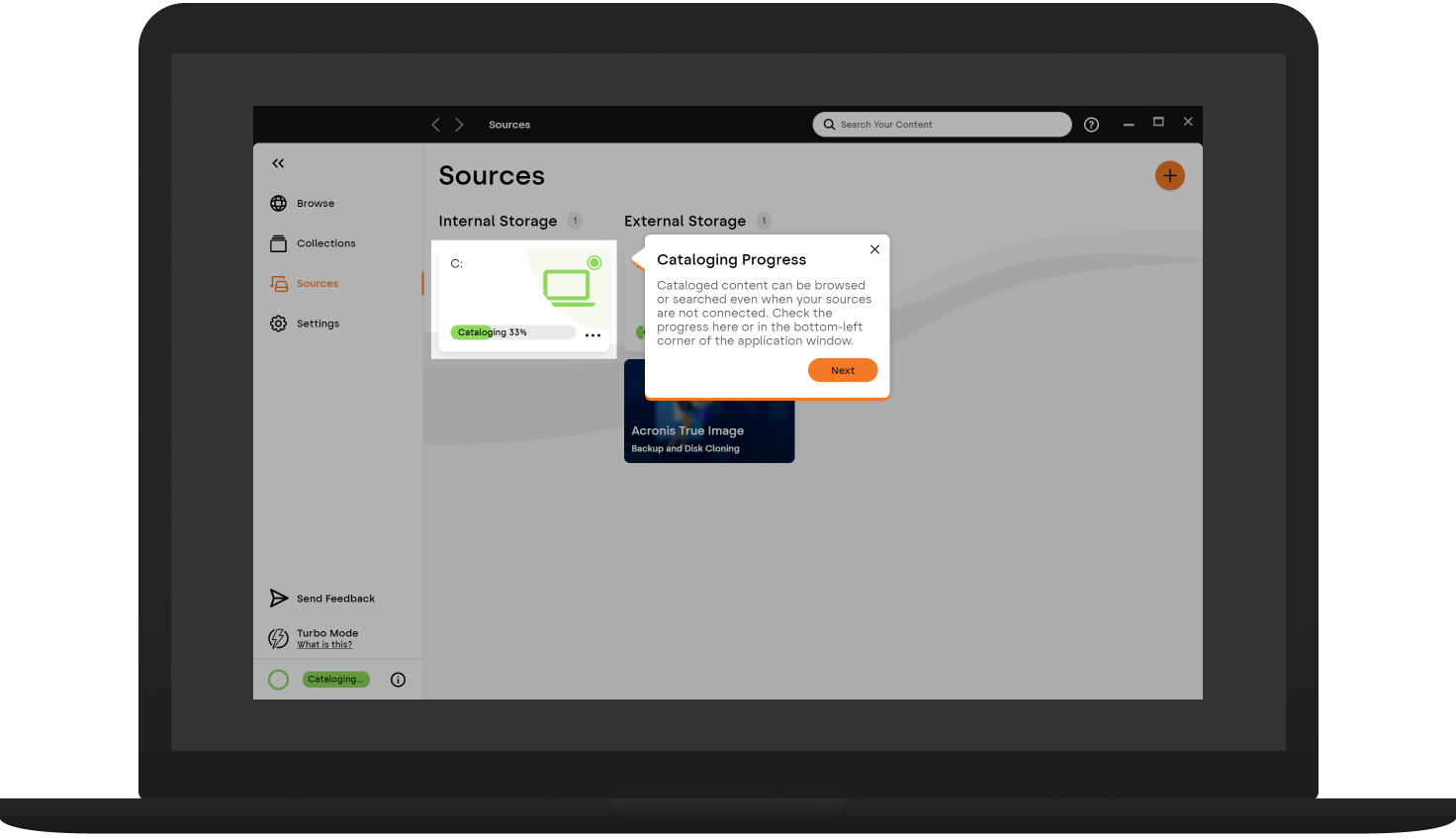
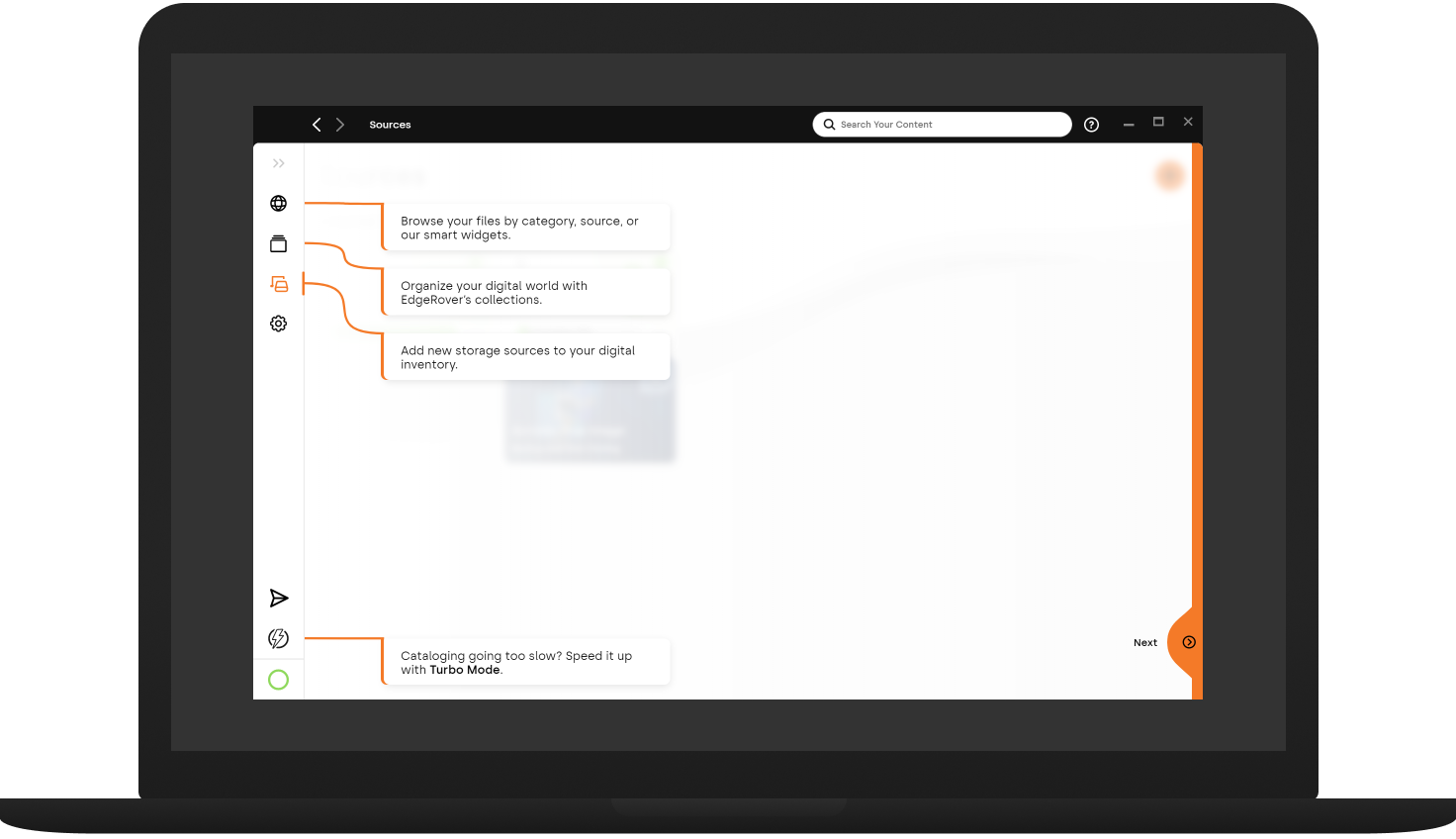
EdgeRover can be installed in one of two ways: using the installer pre-loaded on the hard drive or downloaded from the web with a PC or Mac. I was tasked with creating the setup process for their WD product and guiding them through an initial first-time tutorial in the web app. First impressions are everything in onboarding, so a lot of research and iterations went into making the experience as smooth as we could make it in the allotted time.
My Contribution
Created the entire onboarding UX and UI for EdgeRover, handling both user cases: the user who installs EdgeRover from their new WD drive and the user who downloads from their PC or Mac
Conduct and gather research from 3 sessions of 15 people, each using Usertesting.com. Created slide decks in Figma with a summary of findings from the user-testing sessions for the marketing team. This was a great way to quickly find and fix UX problems on wireframes and prototypes before the development stage began
Advocated for more research at the beginning of the project due to customer confusion on what the product does. It was important to the team that the user understands the benefits of our software during the setup process to set the right expectations for them
Creating a structured visual diagram of the onboarding steps showcasing user actions, takeaways, and goals of each step in the process was really helpful in visualizing what I needed to do and also for design managers and PM to all agree on a solution.
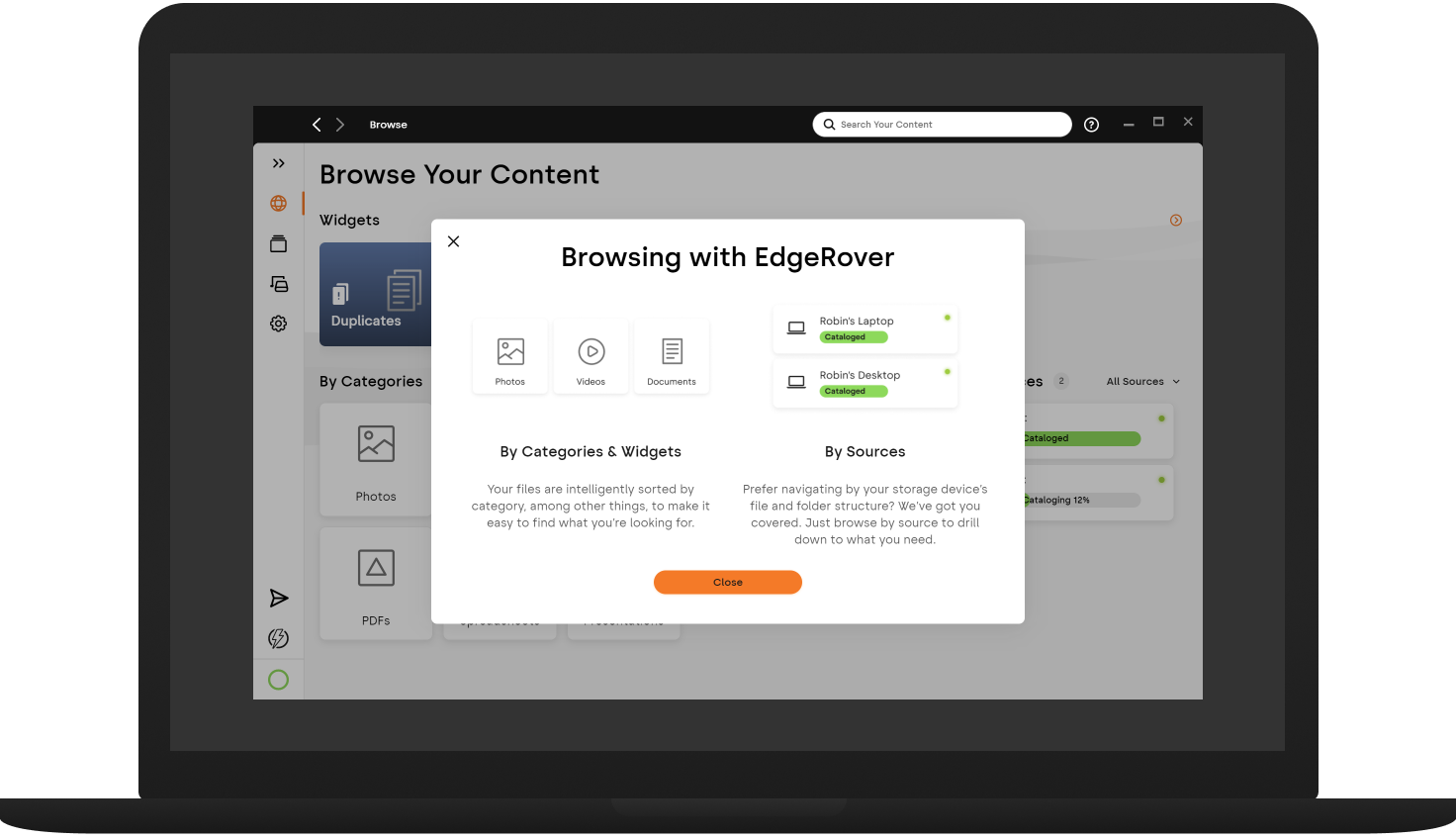
Widgets for EdgeRover Desktop App
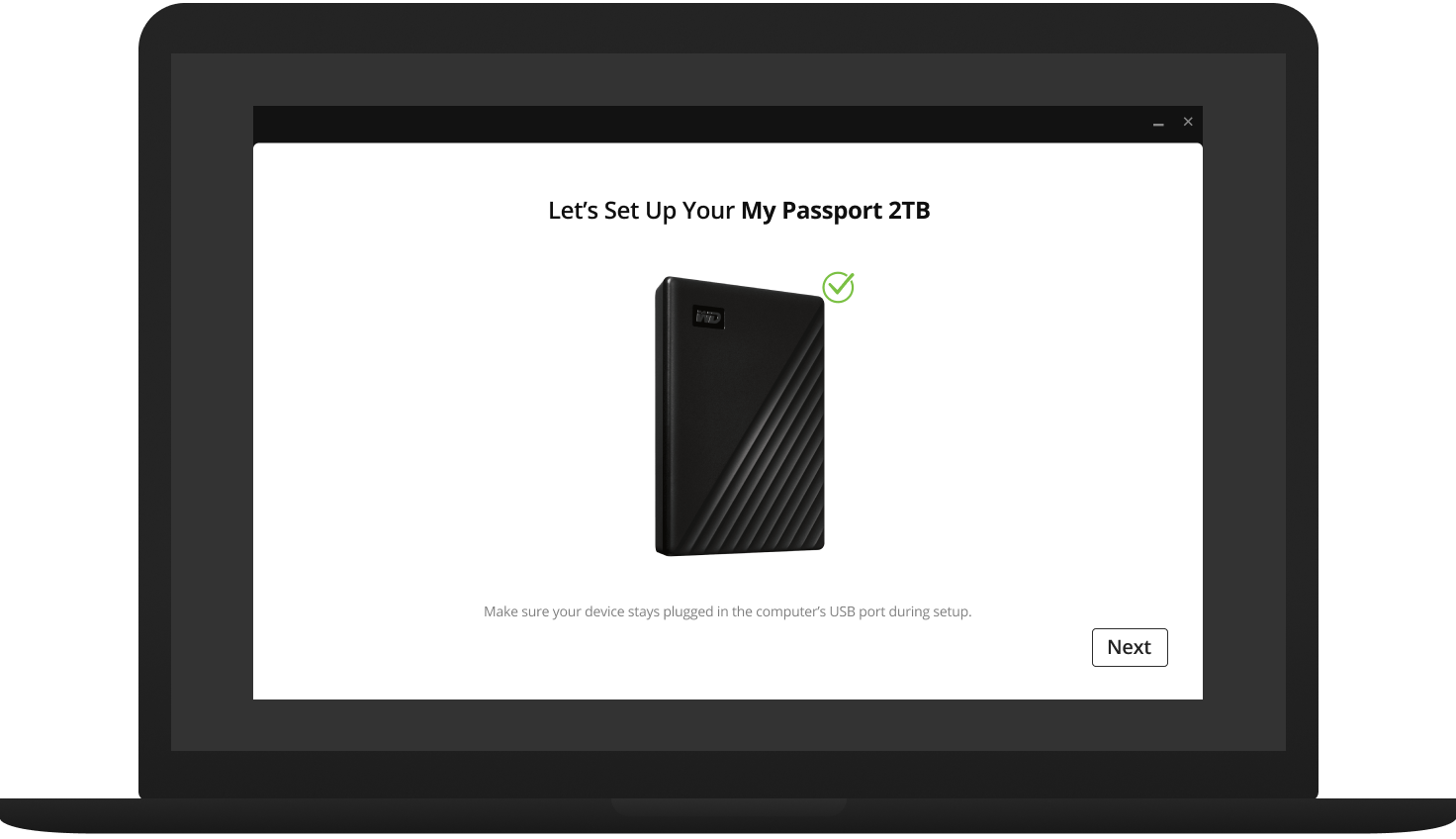
With EdgeRover, all your files are intelligently sorted by objects, date, location, file types, categories, and more to present you with relevant groupings of your personal content via widgets. I worked with product managers to create the Automatic Collections and Large Files Widgets.
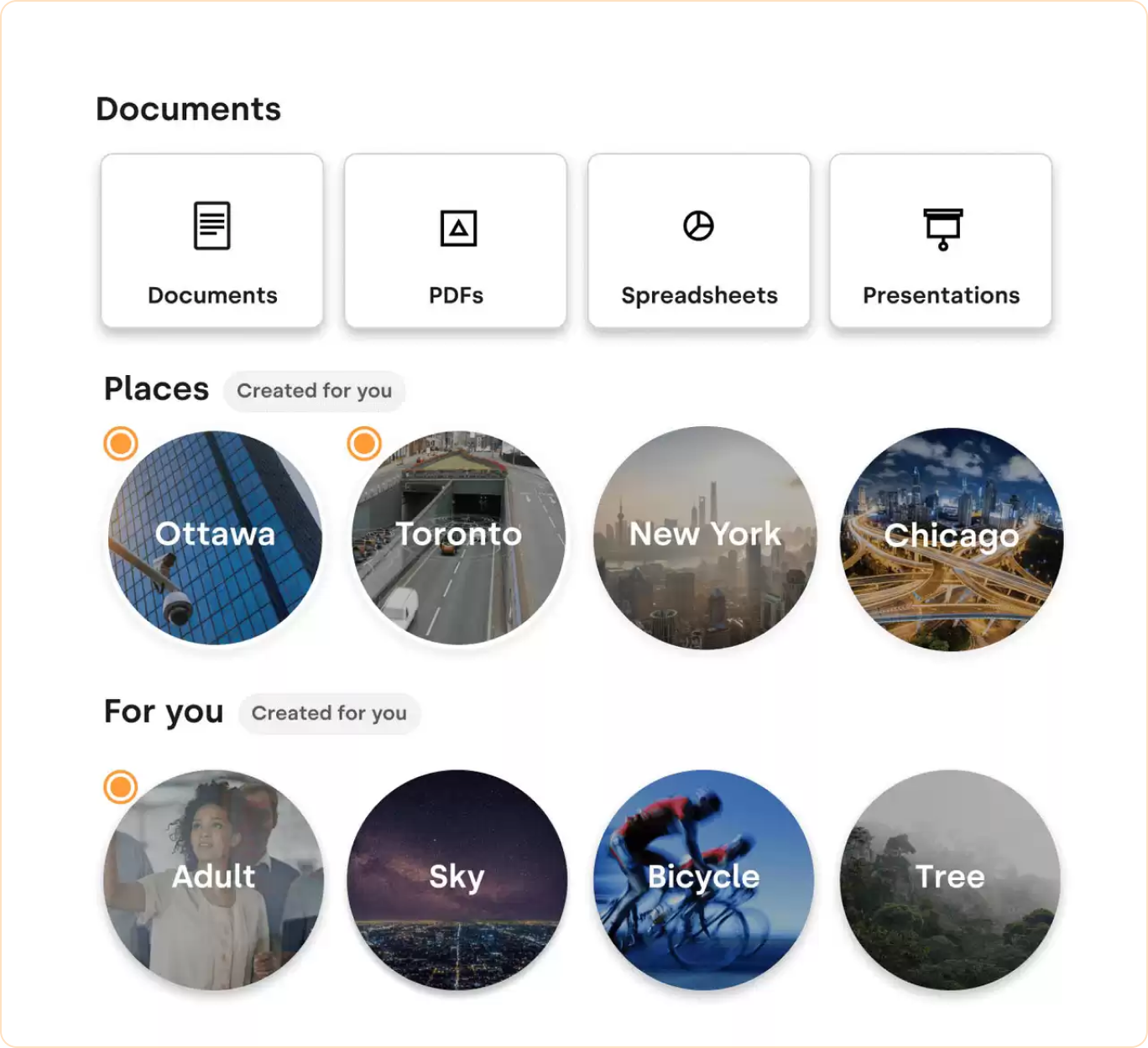
The user is presented with an automatically generated collection of photos. “Places” presents the user with groupings of photos based on location metadata, while “for You” shows you different groupings of similar objects.
My Contribution
Created the architecture and documentation for auto-generated collections for both mobile Android and iOS, as well as the desktop app
Designed and conducted unmoderated user interviews and documented research for the design and PM teams
Created the UX and UI for Collections for Android, iOS, and the web App
Designed the filtering feature on the mobile Android and iOS app. filter by source, date, file type, tag, and more
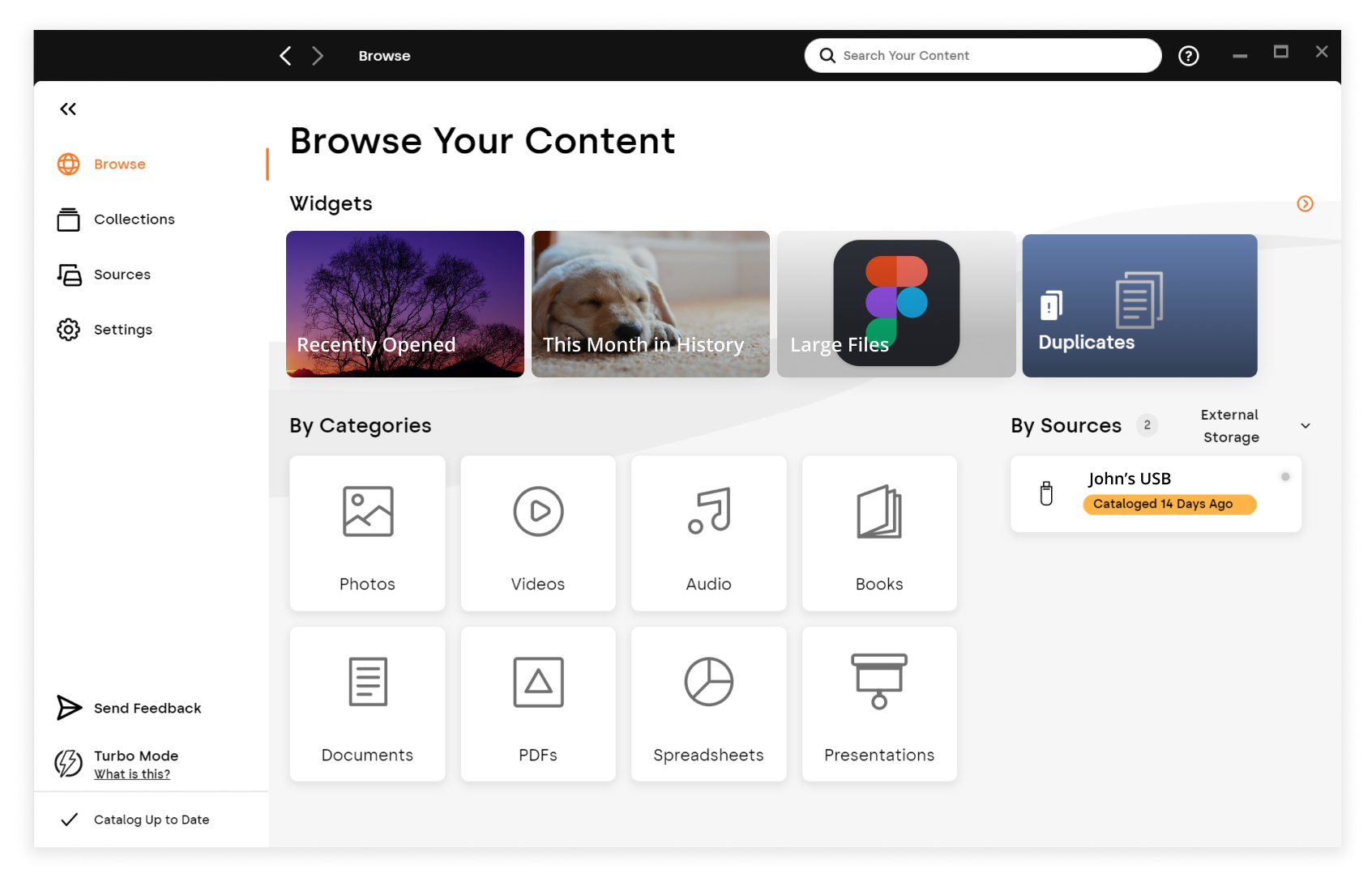
Reflections
I had my hands filled from the get-go after joining Western Digital. The team was busy working on a new software solution that would make it easier to browse and find files scattered on all your hard drives. I was humbled to work with talented and passionate designers who were easy to work with and valued what they did. In the last few years, WD has been trying to gain more traction in the software space. Going in, I knew that a hardware-focused company was not going to focus too much of its resources on design, but I was pleasantly surprised that wasn't the case.
I was a fully remote hire during the start of the pandemic, so I never met my coworkers in real life, unfortunately. It was rough at first, but I slowly learned to work with the situation and become part of the team. I was lucky to work with individuals who were supportive and helpful at every step.